Rolyta Bold Script Font Review for Brand Identity
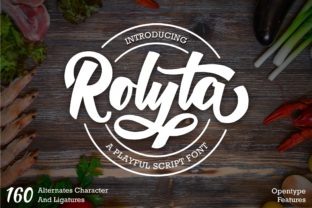
I was staring at a stack of blank candle jars last Tuesday, feeling that familiar pang of creative exhaustion. My small business had grown, but my branding still looked like it belonged to a hobbyist rather than a professional brand. I needed something that felt personal yet polished, something that could turn a simple glass jar into a gift-worthy item without looking cluttered or cheap. That is when I decided to test-drive Rolyta, a bold script font with lots of alternative uppercase and lowercase glyphs, plus some ligature. Get inspired by its bold style became my mantra as I started applying it to my mockups. This wasn't just about picking a pretty typeface; it was about finding a visual voice that could communicate quality and care to my customers before they even read the product description.
Rolyta for Packaging Design and Product Labels
When you are designing physical products, every inch of space counts, and the wrong font can make your label look cramped or illegible. Rolyta stepped in as a perfect solution for my packaging design needs because of its confident, heavy strokes. Unlike delicate scripts that can get lost on small labels, this bold script font commands attention. I used it for the main title on my new line of soy candles, and the contrast between the thick, expressive letterforms and the clean white background created an immediate sense of premium quality.
The real magic, however, lies in the versatility provided by the alternative glyphs. In Script Handwritten typography, consistency is key to maintaining a professional look. Rolyta offers a wide variety of uppercase and lowercase options, allowing me to customize the flow of each word. For instance, I swapped out a standard "R" for a more ornate alternate version to give the brand name a unique signature feel. This level of detail is what separates mass-produced goods from artisanal brands. The included ligatures also help connect letters smoothly, ensuring that words like "handmade" or "artisan" flow naturally rather than appearing disjointed. For small business owners looking to elevate their product labels, using a font with these built-in variations saves hours of manual tweaking while delivering a custom-designed aesthetic.
Rolyta for Social Media Graphics and Digital Ads
My online shop relies heavily on Instagram and Pinterest to drive traffic, so digital legibility was my next big concern. Many script fonts look beautiful in large print but fall apart when shrunk down to fit a mobile screen thumbnail. I tested Rolyta across various social media graphics, including story templates and feed posts promoting seasonal sales. Because it is a bold display font, it remains readable even at smaller sizes, provided it is paired correctly.
I found that using Rolyta for headlines and short phrases works best in digital environments. It grabs the eye instantly in a crowded feed. However, for longer text blocks, such as captions or detailed post descriptions, I switched to a clean sans serif font. This pairing strategy—combining the personality of a creative font with the readability of a neutral typeface—is a cornerstone of effective modern typography. The bold style of Rolyta provides enough visual weight to anchor the design, preventing the social media graphic from feeling airy or ungrounded. Whether I was creating a flyer for a local market or a banner for my website, the font’s distinct character helped maintain brand recognition across all platforms. It proves that a well-chosen typeface can significantly boost customer engagement by making your content look intentional and trustworthy.
Rolyta for Wedding Invitations and Elegant Branding
While my primary focus is selling candles, I often get requests for custom branding for weddings and events, which require a touch more elegance. Rolyta bridges the gap between casual handwritten charm and formal sophistication. Its bold nature prevents it from looking too fragile or overly decorative, which is a common pitfall in wedding stationery design. I experimented with using it for save-the-date cards and thank-you notes, and the results were striking.
The alternative glyphs allow for a highly personalized touch, essential for editorial design projects like invitations. You can mix and match characters to create a unique monogram or header that feels bespoke. When used for logo design or brand identity elements, Rolyta adds a layer of warmth and approachability. It tells the viewer that the brand is human-centered and attentive to detail. For boutique owners or crafters who want to convey luxury without stiffness, this font offers the perfect balance. It is not just a decorative accent; it is a strong typographic tool that can define the mood of your entire project. By leveraging the full character set, designers can ensure that every piece of collateral, from business cards to packaging tags, feels cohesive and professionally executed.
Practical Tips for Using Rolyta in Your Business
After spending several weeks integrating this typeface into my workflow, I have learned a few practical lessons about working with complex font families. First, always check the included styles and file formats before purchasing. A robust package should include OpenType features that allow you to toggle alternates and ligatures directly within your design software. This functionality is crucial for maximizing the value of a commercial font license.
Second, be mindful of spacing. Bold script fonts can sometimes appear dense if letters are placed too close together. Use generous tracking (letter-spacing) to let the design breathe, especially on printed materials like menus or flyers. Third, consider your audience. If you are targeting a younger, trend-conscious demographic, the bold, expressive nature of Rolyta will resonate well. For a more traditional clientele, pair it with classic serif fonts to ground the modern script in timeless elegance.
Finally, remember that typography is a long-term investment. Choosing a versatile font like Rolyta means you can use it across multiple business verticals—from your online shop banners to your physical product tags. It reduces the need to constantly hunt for new design assets, saving both time and money. By focusing on consistent, high-quality visual communication, you build trust with your customers. And in today’s competitive market, that trust is priceless. If you are ready to upgrade your brand’s visual identity, exploring a bold script font with extensive glyph options is a smart, strategic move.